Mastering Homebrew Techniques with Beer Alchemist Club

Homebrewing is more than just a hobby; it's a craft that allows you to explore your creativity and taste preferences. With the right techniques and knowledge, anyone can brew their own beer at home. The Beer Alchemist Club is here to guide you through the process, providing valuable insights and tips to help you master your homebrew techniques. Whether you are a beginner or an experienced brewer, this guide will equip you with the skills you need to create delicious, unique beers right in your kitchen.

Understanding the Basics of Homebrewing
Before diving into the specifics of brewing techniques, it’s essential to understand the fundamental components of homebrewing. Here are the key elements:
Ingredients
Malt: The backbone of your beer, malt provides the sugars needed for fermentation. Different types of malt can influence the flavor, color, and body of your beer.
Hops: These are used to add bitterness, flavor, and aroma to your beer. The variety of hops you choose can significantly affect the final product.
Yeast: This microorganism is responsible for fermentation. Different yeast strains can produce various flavors and aromas.
Water: The quality of your water can impact the taste of your beer. It's crucial to use clean, filtered water.
Equipment
To get started with homebrewing, you will need some essential equipment:
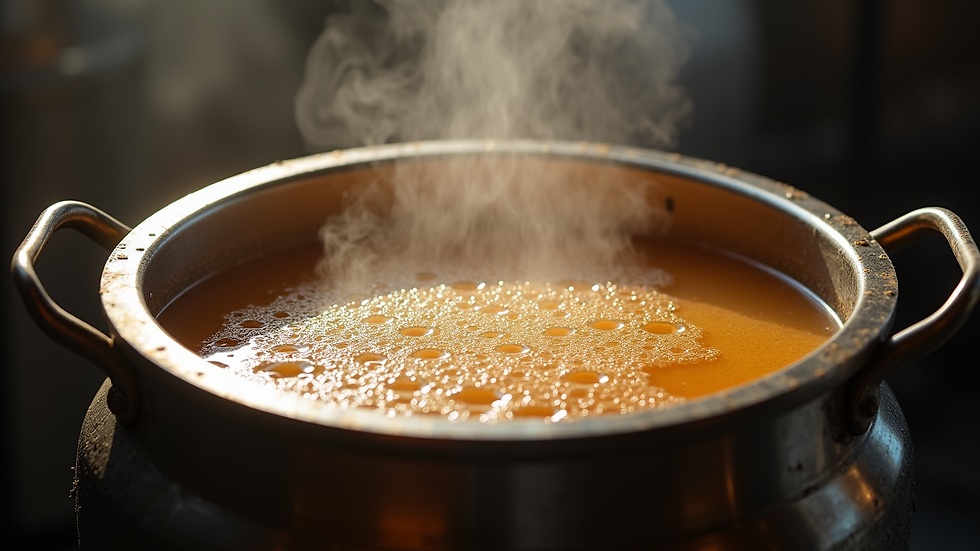
Brew kettle: A large pot for boiling your ingredients.
Fermenter: A container where your beer will ferment, usually equipped with an airlock.
Bottles and caps: For storing your finished beer.
Sanitizer: Keeping everything clean is vital to avoid contamination.
Brewing Techniques to Master
Once you have a grasp of the basics, it’s time to explore various brewing techniques that can elevate your homebrew game.
Extract Brewing
Extract brewing is an excellent starting point for beginners. This method involves using malt extract instead of whole grains, simplifying the brewing process. Here’s how to do it:
Boil Water: Start by boiling water in your brew kettle.
Add Malt Extract: Stir in the malt extract until fully dissolved.
Add Hops: Introduce hops at different stages of the boil for bitterness and aroma.
Cool the Wort: After boiling, cool the wort quickly to prevent contamination.
Fermentation: Transfer the cooled wort to your fermenter, add yeast, and seal it with an airlock.
All-Grain Brewing
For those looking to take their brewing to the next level, all-grain brewing allows for greater control over the beer's flavor profile. This method requires more equipment and a deeper understanding of the brewing process. Here’s a simplified overview:
Mash: Combine crushed grains with hot water to convert starches into sugars.
Sparge: Rinse the grains with hot water to extract additional sugars.
Boil: Boil the wort and add hops as desired.
Cool and Ferment: Cool the wort and transfer it to the fermenter, adding yeast.
Advanced Techniques
Once you are comfortable with the basics, consider experimenting with advanced techniques:
Dry Hopping: Adding hops during fermentation can enhance aroma without adding bitterness.
Barrel Aging: Aging your beer in barrels can impart unique flavors from the wood.
Souring: Techniques like kettle souring can introduce tartness to your beer.
Troubleshooting Common Issues
Even experienced brewers encounter problems. Here are some common issues and how to address them:
Off-Flavors
If your beer has undesirable flavors, it could be due to several factors:
Contamination: Ensure all equipment is sanitized.
Temperature Control: Fermenting at the wrong temperature can produce off-flavors. Use a thermometer to monitor conditions.
Low Carbonation
If your beer lacks carbonation, check the following:
Priming Sugar: Ensure you added the correct amount of priming sugar before bottling.
Sealing: Make sure bottles are sealed tightly to retain carbonation.
Tips for Successful Homebrewing
To ensure your homebrewing journey is enjoyable and successful, consider these tips:
Keep Detailed Notes: Document your recipes and processes to replicate successful brews.
Join a Community: Engage with other homebrewers through clubs or online forums for support and advice.
Experiment: Don’t be afraid to try new ingredients or techniques. Brewing is all about creativity.
Conclusion
Mastering homebrew techniques is a rewarding journey that allows you to create unique beers tailored to your taste. With the guidance of the Beer Alchemist Club, you can refine your skills and explore the vast world of homebrewing. Remember, practice makes perfect, so keep brewing, experimenting, and enjoying the process. Cheers to your brewing adventures!

Comments